

-
Rapid PCR Test: How Fast Can Modern Molecular Diagnostics Deliver Results?
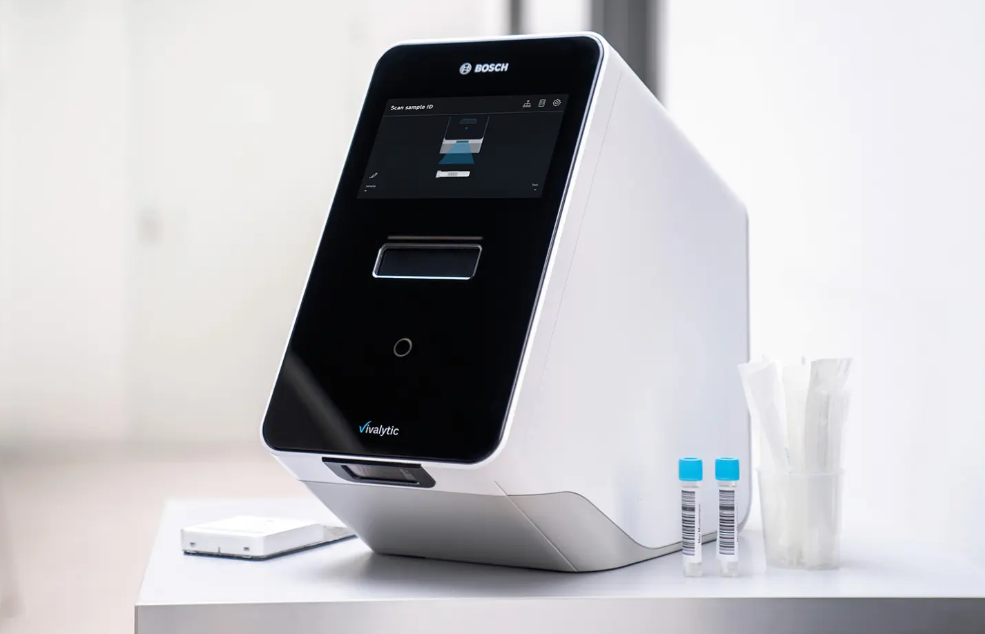
When healthcare professionals search for a rapid PCR test, speed is usually only part of the question. Traditional PCR testing can involve multiple manual processes, specialist laboratory equipment and, where testing is centralised, transportation of specimens to another facility. Modern automated molecular diagnostic platforms are designed to simplify parts of that process and bring PCR…
-
Superbug Fungus Candida Auris: Why Its Spread Is Raising Concern and How Rapid PCR Screening Could Help.

Unfortunately, Candida auris , a drug-resistant fungus capable of spreading through hospitals, surviving on surfaces and colonising patients without causing obvious symptoms, is very real. Often described in headlines as a “superbug fungus,” Candida auris – also known as Candidozyma auris – has become an increasingly important infection-control challenge for hospitals and long-term healthcare facilities.…
-
New Virus Outbreak: Why Investing in Molecular Diagnostics Before the Next Health Emergency Could Save Millions.

A new virus outbreak can transform from an isolated clinical concern into a major operational and financial crisis remarkably quickly. And that is before considering the wider economic effects of an outbreak. The COVID-19 pandemic showed us what can happen when a new virus emerges on a global scale. But healthcare facilities do not need…
-
Multiplex STI PCR Testing: Detecting 10 Sexually Transmitted Pathogens in One Test

Sexually transmitted infections do not always present clearly. A patient may have discharge, genital discomfort, an ulcer or lower abdominal pain. Another patient may have no symptoms at all. And even where symptoms are present, several sexually transmitted pathogens can produce similar clinical presentations. This creates a familiar problem for clinicians and laboratories: The question…
-
Multiplex Gastrointestinal PCR Testing: Detecting Norovirus, Rotavirus and C. Difficile in One Test

The Bosch Vivalytic Noro-, Rotavirus, C. diff test uses qualitative real-time PCR to detect: from soft or liquid stool samples, with results available in approximately 60 minutes. For hospitals and laboratories considering gastrointestinal molecular diagnostics, this makes the assay not only rapid, but also investigates viral and bacterial causes of gastroenteritis within a single molecular…
-
Norovirus Testing: How Rapid PCR Can Support Gastroenteritis (Stomach/Vomiting Bug) Diagnosis.

Sudden vomiting. Watery diarrhoea. Abdominal cramps. Nausea. When several patients develop these symptoms within a short period, norovirus may quickly become one of the pathogens under investigation. Norovirus is highly contagious and is an important cause of acute gastroenteritis worldwide. Several infectious and non-infectious conditions can cause vomiting and diarrhoea, meaning laboratory confirmation can be…
-
C. Difficile Testing: How Rapid PCR Can Support Diagnosis and Hospital Infection Control

Diarrhoea developing during or following antibiotic treatment can present healthcare professionals with an important question. Is the patient’s illness simply an adverse effect of treatment, or could Clostridioides difficile be responsible? The C. Difficile bacterium can cause illness ranging from diarrhoea to severe inflammation of the colon, and antibiotic exposure is one of the major…
-
Pertussis Testing: How Rapid PCR Can Detect Bordetella and Support Whooping Cough Diagnosis

Whooping cough, also known as pertussis, is sometimes regarded primarily as a childhood disease controlled through vaccination. The reality is more complicated. Pertussis continues to circulate globally and remains particularly dangerous for young infants. The World Health Organization (WHO) reported more than 264,000 pertussis cases worldwide in 2025, while noting that infants face the greatest…
-
Multiplex Respiratory PCR Testing: Detecting Flu A/B, RSV and SARS-CoV-2 in One Test

Fever. Cough. Sore throat. Fatigue. Breathing difficulties. These symptoms can immediately suggest a respiratory infection, but they do not necessarily tell a clinician which respiratory virus is responsible. Influenza A, Influenza B, respiratory syncytial virus (RSV) and SARS-CoV-2 can produce overlapping symptoms. So this presents a very familiar challenge for clinicians and laboratories: as clinical…
-
MRSA Testing: How Rapid PCR Can Support Infection Control and Earlier Detection

Methicillin-resistant Staphylococcus aureus, better known as MRSA, remains an important challenge for hospitals, laboratories and infection-control teams. The difficulty is not simply identifying Staphylococcus aureus. MRSA is particularly relevant within healthcare facilities, where it can cause bloodstream infections, pneumonia, surgical-site infections and other serious disease. The CDC describes MRSA as a serious antimicrobial-resistance threat and…
You must be logged in to post a comment.